Which Shared E-Bike Setup Fits Your Market? Campus, Hotel, Community, or Delivery
 Share on X
 LinkedIn
 Facebook
 Reddit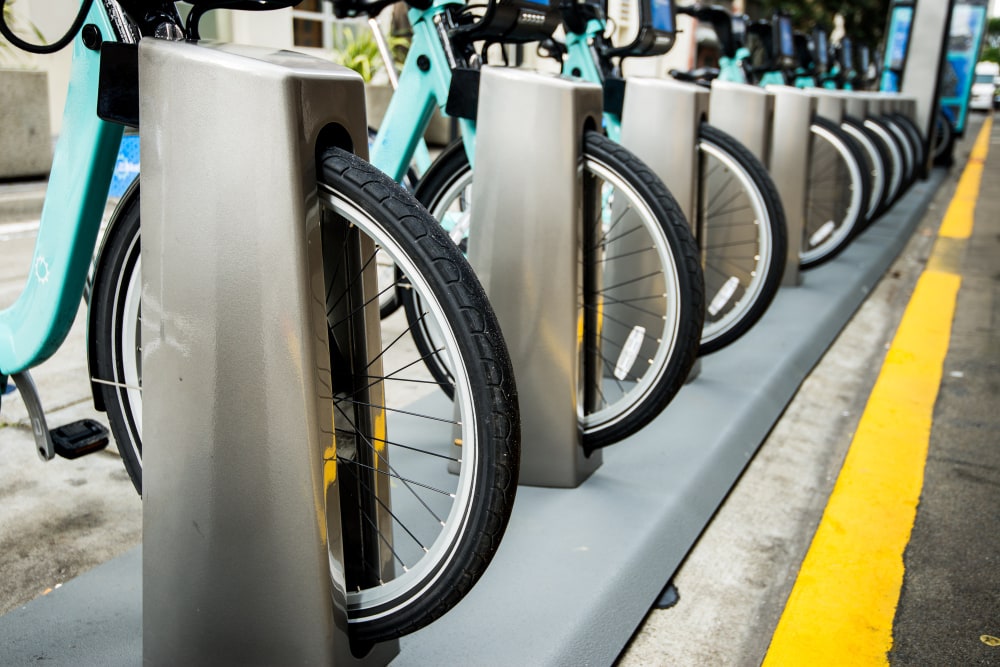
One of the most expensive mistakes in shared mobility is assuming one fleet design can work everywhere.
A campus program, a hotel amenity fleet, a residential community deployment, and a delivery operation may all use electric bikes, but the operating logic behind them is completely different. Who rides, how often they ride, where the bikes are parked, who charges them, and how much abuse the vehicles take each day all change the ideal setup.
If you're planning a new project, the right question is not "Which e-bike should we buy?" It's "Which fleet setup fits our market?"
Start With the Operating Model, Not the Spec Sheet
Before comparing motors, battery sizes, or docking hardware, define the real operating environment. The best fleet decisions usually come from five practical questions:
- Who is the rider? Students, hotel guests, residents, and couriers all expect different ride experiences.
- How long are the trips? A 2 km resort ride and a 90 km delivery shift place very different demands on the bike.
- Where do the bikes return? Fixed docking, semi-fixed parking, and free-floating operations each affect charging and theft control.
- Who handles charging and maintenance? Staff-managed fleets can support different battery strategies than self-service fleets.
- What matters most operationally? Guest experience, uptime, low labor, low vandalism, and payload capacity lead to different hardware choices.
Once those answers are clear, the "right" shared e-bike setup becomes much easier to define.
1. Campus Fleets: High Turnover, Simple Rules, Low Friction
Campus fleets usually succeed when they feel easy, predictable, and highly visible. Students and staff are not looking for a premium tourism experience. They want a fast ride between dorms, classrooms, libraries, parking lots, and transit stops.
That means the winning setup is usually a durable step-through shared e-bike with intuitive unlocking, moderate range, and a controlled parking model.
What works best
- Docks or designated parking zones: Campuses benefit from order. Fixed return points reduce clutter and make charging easier to manage.
- Mid-range batteries: You typically do not need maximum range. The priority is enough daily coverage with reliable overnight charging.
- Strong anti-tamper hardware: Shared student use can be rough on displays, locks, baskets, and brake systems.
- ID or app integration: Student account login, time-based ride limits, and geofenced riding zones simplify administration.
What operators often underestimate
Campus fleets are less about top speed and more about workflow. If parking is messy, if charging is manual and scattered, or if support teams cannot identify idle bikes quickly, costs rise fast even when ride volume looks healthy.
For most campuses, a docked or semi-docked fleet with wired charging and centralized monitoring is the safest starting point.
2. Hotel and Resort Fleets: Experience First, Operations Second
Hotels and resorts are different. Guests are not comparing ride efficiency. They are judging convenience, appearance, and brand experience.
That changes the ideal setup significantly. A hospitality fleet should feel premium, approachable, and easy to use even for first-time riders. The bike is not just transport. It is part of the property experience.
What works best
- Premium-looking bikes with custom branding: Fleet design should match the hotel's visual identity, not feel like generic city-share hardware.
- Simple onboarding: QR unlock, concierge-assisted setup, and clearly explained ride zones matter more than complex rider features.
- Comfort-oriented geometry: Upright riding position, step-through frames, front baskets, and smooth assist levels improve guest adoption.
- Overnight charging: Most hospitality fleets return to base daily, making wired or rack-based charging the most practical option.
Resort deployments also benefit from geofencing, speed control in pedestrian-heavy areas, and clear fleet visibility so staff always know where assets are.
In short, hotels should optimize for low-friction guest experience and property-brand fit, not maximum fleet density.
The best hotel fleet is the one guests feel comfortable using within two minutes, not the one with the longest feature list.
3. Residential Community Fleets: Low Maintenance and Strong Control
Residential compounds, master-planned communities, and mixed-use developments typically have a different goal: replace short car trips and make everyday movement easier for residents.
Here, the strongest setup is usually one that is simple, visible, and inexpensive to operate over time. Residents need reliability more than novelty.
What works best
- Clearly designated docking or charging points: Community entrances, clubhouse areas, retail nodes, and transit connections are natural fleet anchors.
- Moderate-speed, highly durable bikes: Comfort and stability matter more than aggressive performance.
- Strong theft prevention: Residential fleets are often exposed for long periods, so GPS, smart locks, and battery security are essential.
- Low-maintenance components: Puncture-resistant tires, enclosed cabling, and weather-protected electronics reduce service calls.
If the community has staff support, wired charging works well. If staffing is limited but utilization is steady, battery-swappable designs can reduce downtime and make operations more flexible.
The main objective is not rapid turnover. It is predictable availability with minimal operational drama.
4. Delivery Fleets: Uptime, Payload, and Fast Energy Turnaround
Delivery fleets are the least forgiving scenario. Couriers put far more kilometers, weight, braking load, and charging stress on a bike than any campus or hotel rider ever will.
This means you should not treat delivery as a branding project with baskets added later. It requires a true fleet-grade commercial setup.
What works best
- Reinforced frames and cargo mounting points: The bike must handle insulated boxes, repeated curb impacts, and daily heavy use.
- Long-range or swappable batteries: Delivery operations lose money when bikes sit still. Swap systems or tightly managed charging rotations are often worth the investment.
- Fleet telemetry: Battery status, location, fault alerts, and utilization data are critical for dispatch and maintenance planning.
- Puncture-resistant tires and easy-service parts: Small maintenance failures multiply quickly in high-mileage fleets.
For food delivery, quick-commerce, and local logistics, the best energy strategy is often the one that minimizes waiting. That frequently pushes fleets toward battery swapping or structured shift-based charging rather than simple overnight charging.
If your deployment lives or dies by delivery volume, uptime is the product.
A Simple Comparison Framework
| Scenario | Best Fleet Focus | Recommended Charging Logic | Top Priority |
|---|---|---|---|
| Campus | Durable shared commuter bike | Docked or semi-docked wired charging | Order, reliability, easy user rules |
| Hotel / Resort | Comfortable branded guest fleet | Centralized overnight charging | Guest experience and visual fit |
| Community | Low-maintenance daily mobility bike | Wired charging or staff-managed swap | Low operating cost and strong control |
| Delivery | Heavy-duty commercial e-bike | Battery swap or structured fast turnaround | Uptime, payload, serviceability |
The Common Mistake: Copying a City-Share Spec Everywhere
A lot of buyers begin with a generic "shared e-bike" checklist and then try to force it into every use case. That usually creates mismatches:
- A hotel fleet that looks too industrial and hurts guest adoption.
- A campus fleet with no structured parking, causing clutter and extra labor.
- A residential fleet with weak anti-theft hardware and rising replacement costs.
- A delivery fleet using leisure-oriented bikes that cannot survive commercial mileage.
The better approach is to choose the vehicle, charging model, and software workflow together, based on how the fleet actually operates.
The Bottom Line
Campus, hotel, community, and delivery fleets may all sit under the same "shared e-bike" label, but they should not be specified the same way.
If you match your setup to rider behavior, parking logic, charging workflow, and maintenance reality, the fleet becomes much easier to operate and much easier to scale.
At TXED, we help partners configure shared mobility systems around real deployment scenarios, from public and private e-bike fleets to delivery-ready commercial platforms. If you're evaluating which setup makes the most sense for your market, talk with our team and we'll help you map the right hardware and operating model.