TXED Smart Shared E-Bike Solutions: Seamless Integration with Automated Charging Stations
 Share on X
 LinkedIn
 Facebook
 Reddit
 Email
EmailA shared e-bike is only as reliable as the system that keeps it charged, tracked, and ready for the next rider. The hardware on the street is the visible half. The charging stations, IoT platform, and fleet workflow behind it are what actually decide whether a program scales or stalls.
This TXED video gives a clear overview of how our shared e-bike series integrates with automated charging stations, from rider features to durability testing, and how those pieces connect into a complete urban mobility solution.
Watch the full video here: TXED Smart Shared E-bike Solutions on YouTube.
Here is a chapter-by-chapter walkthrough of what the video covers and why each section matters for operators planning a shared mobility deployment.
0:00 - Introduction to TXED Shared Mobility Vision
The video opens with the core idea behind TXED's shared mobility program: shared e-bikes should not be sold as isolated vehicles. They should arrive as a complete system that includes the bike, the charging infrastructure, the backend platform, and the operational workflow around them.
For cities, campuses, and private operators, this framing matters. A fleet that is designed end-to-end is far easier to launch, monitor, and expand than one assembled from components that were never meant to work together.
0:45 - Features of the Shared E-Bike Series
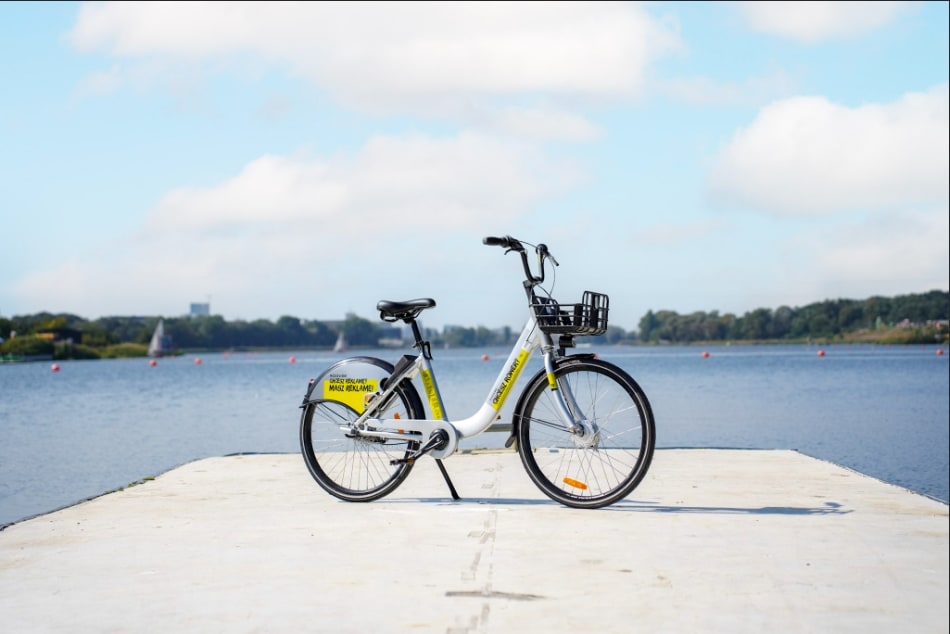
At 0:45, the video focuses on the bike itself. The shared e-bike series is built around the real demands of public fleet use: durable frames, step-through geometry for easy mounting, comfortable riding position, integrated lighting, and a clean cable layout that protects electronics from weather and vibration.
These details may look cosmetic, but they directly affect rider adoption and long-term maintenance cost. A bike that is simple to ride and simple to service is a bike that stays in the fleet longer.
1:20 - Smart IoT Integration and Fleet Management
The next section covers the part most riders never see: the IoT layer. Every bike in the fleet is connected to a backend platform that tracks location, battery state, lock status, ride history, and fault alerts in real time.
For operators, this is where shared mobility stops being a hardware purchase and starts behaving like a software-driven service. With live fleet data, teams can:
- Identify low-battery bikes before they become stranded.
- Detect unusual movement, tampering, or suspected theft.
- Rebalance bikes from low-demand zones to high-demand zones.
- Track utilization by station, hour, and rider segment.
Good fleet software turns a pile of bikes into a managed network. It is usually the difference between a fleet that breaks even and a fleet that scales.
2:05 - The Design of TXED Charging Stations
At around the two-minute mark, the video shifts to the charging station hardware. TXED charging stations are designed as fixed anchor points in the fleet: structured parking, automatic power delivery, and a clean visual footprint suitable for public streets, campuses, and hospitality zones.
A few design priorities stand out:
- Controlled parking: Stations keep fleets orderly and prevent the clutter that often undermines free-floating programs.
- Automatic charging on dock: No manual plug-in is required from the rider or the operator.
- Modular layout: Stations can be sized to match station-level demand, from a few slots at a small property to larger arrays in urban deployments.
For planners, the station is not just a charger. It is a piece of urban infrastructure that quietly enforces parking discipline and keeps the fleet energy-ready.
2:45 - Automated Docking and Charging Process Demo
This is one of the most practical sections of the video. It shows what actually happens when a rider returns a bike: the e-bike aligns with the dock, locks into place, and begins charging automatically through the station connection.
Why this matters operationally:
- Riders do not need to plug anything in, which removes the biggest friction point in most shared programs.
- Staff do not need to walk the fleet every night to manually recharge bikes.
- Energy uptime becomes predictable instead of dependent on rider behavior.
Automated docking is the moment the system turns into real infrastructure. The bike becomes part of the station, and the station keeps the bike ready for the next ride without human intervention.
The shared e-bike economy does not scale on bikes alone. It scales on what happens when each bike returns to base.
3:30 - Durability and Weather Resistance Testing
Public fleets operate in real-world conditions: rain, humidity, dust, temperature swings, and constant outdoor exposure. The video spends time on durability testing because none of the IoT, docking, or charging features matter if the hardware cannot survive the street.
TXED shared e-bikes and stations are designed around:
- IPX-rated water and dust protection for electronics, connectors, and charging contacts.
- Reinforced frames and mounting points for repeated shared use and heavy daily cycles.
- Weather-sealed locks and cabling to maintain performance through seasonal change.
Durability is not glamorous, but it is the part of the product spec that most often decides total cost of ownership over a multi-year deployment.
4:15 - Scaling Urban Transport with TXED Solutions
Toward the end of the video, the focus widens from single-station deployments to city-scale programs. A shared e-bike network only delivers its full value when it connects neighborhoods, transit hubs, workplaces, and leisure zones into one coherent system.
Scaling that network depends on three things working together:
- Consistent hardware across stations and bikes so maintenance stays simple as the fleet grows.
- Unified software that treats the entire city as one fleet instead of isolated clusters.
- Structured expansion planning that adds stations where demand is real, not just where installation is easy.
This is how shared e-bikes evolve from a pilot program into genuine public transport support.
5:00 - Contact Us for Partnership Opportunities
The video closes with an invitation to partners: cities, operators, developers, hotels, campuses, and fleet investors who want to launch or expand a shared e-bike program. TXED positions itself not only as a hardware supplier but as an integration partner for the full system.
For most buyers, this is the right way to approach shared mobility. The vehicle matters, but the long-term success of a program is determined by how well the bikes, stations, software, and operations are designed to work as one product.
Why This Video Matters
Shared e-bike projects fail most often when teams buy hardware first and think about charging, parking, and fleet software second. This video is a useful reference because it walks through the reverse logic: start from the operating scenario, then design the bikes, stations, and platform to fit.
For operators evaluating TXED, the key takeaways are simple:
- The bike is engineered for shared use, not adapted from a consumer product.
- The charging station is built to keep fleets orderly and energy-ready without manual labor.
- The IoT platform ties everything into a single, data-driven fleet.
- The system is tested for the outdoor conditions it will actually face.
Conclusion
A well-designed shared e-bike program is not a collection of vehicles. It is an integrated network of bikes, stations, software, and service workflow. The TXED video makes that point clearly by walking through each layer of the system in sequence.
If your organization is planning a shared mobility deployment or scaling an existing fleet, the same logic applies: build the operating model first, then match hardware and infrastructure to it.
To discuss a specific project, explore TXED's shared e-bike solutions or contact our team for partnership opportunities.